Code-Compliant Water Heating for Front Range Homes
Water heating along the Colorado Front Range involves critical environmental factors that out-of-state handymen and low-bid installers often overlook. Operating at 5,280 to 7,500+ feet of elevation means gas burners require precise fuel-to-air combustion adjustments. Combined with heavy mineral hardness in municipal and well supplies, Denver water heaters face intense thermal and hydraulic stress.
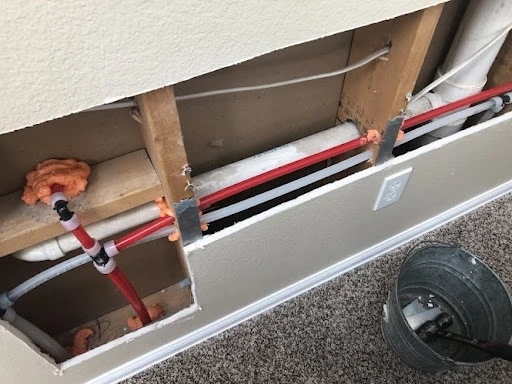
At Just Plumbing, Inc., Master Plumber Bill Clark personally evaluates every water heater installation. We don't just swap tanks; we bring your entire mechanical setup up to current Colorado plumbing code—integrating thermal expansion tanks, rigid Type L Copper supply lines, seismic strapping where required, and sediment drip legs.
Our Water Heating System Options
1. Standard Atmospheric Gas Water Heaters
The most common residential water heating solution. Uses chimney or B-vent drafting to exhaust combustion gases naturally through the roof. We install high-recovery Bradford White and Rheem models featuring high-altitude burner orifices factory-calibrated for Denver elevation.
2. Power-Vent & Direct-Vent Systems
Designed for homes without a vertical masonry chimney. An electric motorized blower fan safely forces exhaust gases horizontally through side-wall PVC or polypropylene pipe, allowing flexible placement in finished basements and remodels.
3. Continuous On-Demand Tankless Water Heaters
Wall-mounted condensing tankless units (such as Navien and Rinnai) heat water instantly as it flows through dual stainless steel heat exchangers. You receive endless hot water, free up 12+ square feet of floor space, and cut water heating utility costs by up to 30%. Ideal for large families and luxury estates with multi-head showers.
4. Hybrid Electric Heat Pump Water Heaters
Extracts ambient heat from surrounding basement air to heat water at up to 400% efficiency compared to standard electric resistance tanks. Fully qualifies for major utility rebates through Xcel Energy and federal tax credits.
Thermal Expansion & Pressure Reducing Valves (PRVs)
Municipal water main pressures across the Front Range regularly exceed 90 to 110 PSI. When a Pressure Reducing Valve is installed to protect your home's pipes, it creates a closed plumbing loop.
As cold water is heated, thermal expansion causes water volume to swell. Without a pre-charged thermal expansion tank, this pressure has nowhere to go and spikes past 150 PSI, causing dripping relief valves, ruptured fittings, and premature water heater failure. We calibrate PRVs and install commercial expansion tanks on every water heater we replace.
Pairing Water Heaters with Home Repiping
If you are investing in a whole-home repipe or partial repiping project, updating an aging water heater at the same time is the most cost-effective approach. Our Master Plumbers plumb directly from your new Uponor PEX-A expansion manifolds into the heater with zero flow restriction, optimizing domestic water volume throughout your home.
Learn about our work in real local residences across our Denver Metro Case Studies or check our full range of service areas across our Locations Directory.
Frequently Asked Questions — Water Heaters
Why do water heaters need high-altitude calibration in Denver?
At 5,280 feet and higher, thin atmospheric air contains less oxygen per cubic foot. Standard gas water heaters require high-altitude burner orifices and proper draft hood calibration to prevent incomplete combustion, heavy carbon monoxide buildup, and soot accumulation.
Why is a thermal expansion tank required by Colorado plumbing code?
When municipal water enters a home with a backflow preventer or pressure-reducing valve (PRV), it creates a closed plumbing system. As water heats from 50°F to 120°F, it expands in volume. Without a properly pressurized thermal expansion tank, this hydrostatic pressure spikes past 150 PSI, blowing out the water heater's internal glass lining and voiding the manufacturer warranty.
Should I choose a tankless water heater or a traditional storage tank?
Tankless systems provide endless hot water, take up virtually no floor space, and last 20+ years, making them ideal for high-demand households. Traditional atmospheric gas or power-vent tanks have lower upfront installation costs and remain a dependable choice for standard replacement budgets.
How does Front Range hard water affect water heater lifespan?
Heavy mineral content and calcium carbonate in municipal and well water precipitate out when heated, settling at the bottom of the tank. This creates an insulating crust between the burner flame and the water, causing popping noises, slower recovery times, and premature bottom-tank rust-through.